What is a Tron Transaction Tracker and Why Use One
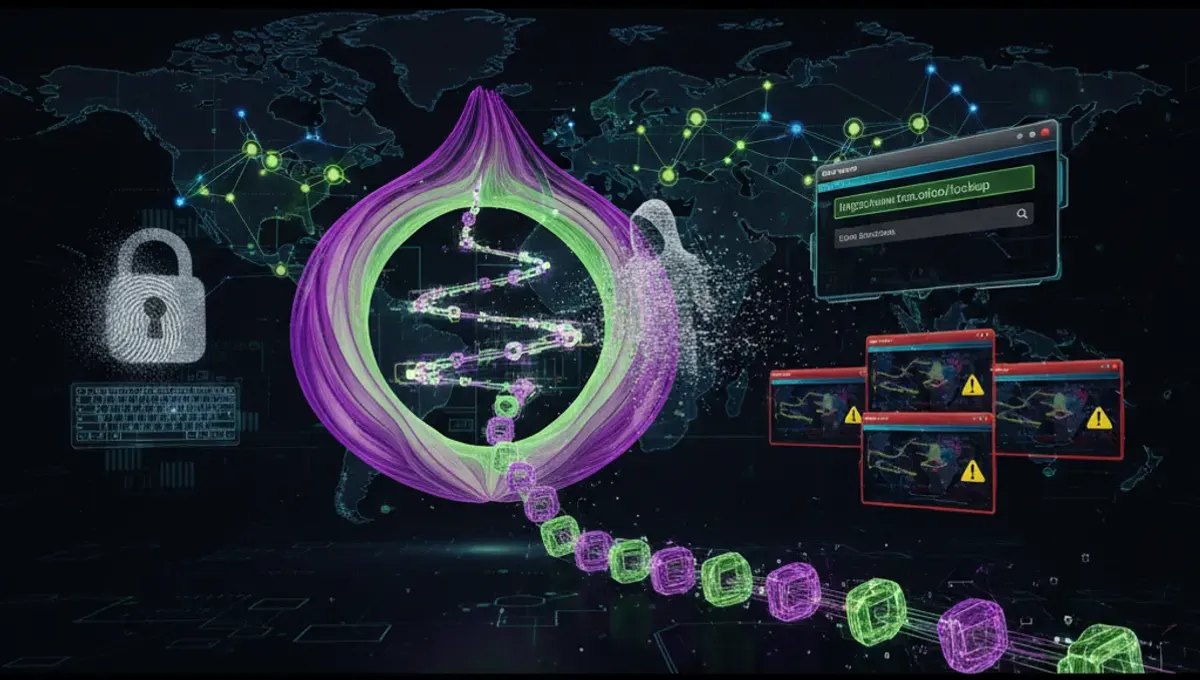
A Tron transaction tracker is a blockchain explorer that records every transaction on the Tron network. When you send or receive USDT or other TRC20 tokens, the transfer is logged with a unique transaction ID (TXID). A tracker lets you search that TXID to confirm the transfer completed, view the sender and recipient addresses, check the amount transferred, and see the timestamp. This is essential for verifying payments, detecting delays, and confirming that funds arrived at the correct address. Tronscan Check combines transaction lookup with AML screening to flag frozen accounts or known scam addresses, adding a security layer beyond basic transaction confirmation.
How to Check a Tron Transaction by TXID
To check a Tron transaction, you need the 34-character transaction ID provided when the transfer was initiated. Enter the TXID into Tronscan Check's search bar. The tracker will return the transaction status (success, pending, or failed), the sender and recipient wallet addresses, the amount and token type, the block number, and the timestamp. If the transaction shows as confirmed, the funds have been recorded on the blockchain. If it shows as pending, the transaction is still being processed. A failed transaction means the transfer did not complete, and any gas fees may have been consumed. This lookup takes seconds and requires no account or login.
Verifying Wallet Addresses and Balances
Beyond individual transactions, a Tron transaction tracker lets you inspect any wallet address to see its full transaction history and current balance. Enter a TRC20 wallet address into the search to view all incoming and outgoing transfers, token holdings, and total value. This is useful for confirming that a payment destination is active and legitimate before sending funds. Tronscan Check displays the address's transaction count, first and last activity dates, and any associated labels or risk flags. If an address has no transaction history or was recently created, exercise caution. Addresses flagged by AML systems may indicate frozen funds, sanctions involvement, or known scam operations. Always cross-reference the address with the sender's official communication to avoid phishing or misdirection.
Understanding Tron Transaction Status and Confirmation
Tron transactions move through several states: pending, confirmed, and failed. A pending transaction has been broadcast to the network but not yet included in a block. Confirmation occurs when the transaction is added to the blockchain, typically within seconds on Tron due to its fast block time. Once confirmed, the transaction is immutable and cannot be reversed. A failed transaction indicates the operation did not execute, often due to insufficient gas fees, a contract error, or an invalid recipient address. Tronscan Check displays the exact status and block confirmation count. Most exchanges and services consider a transaction final after one or two confirmations. If a transaction remains pending for more than a few minutes, it may be stuck due to network congestion or incorrect fee settings.
Detecting AML Risks and Frozen Funds
Tronscan Check integrates AML (anti-money laundering) screening to flag addresses linked to sanctions, known scams, or frozen accounts. When you search a wallet or transaction, the tool checks against compliance databases and returns a risk assessment. A green flag indicates low risk; yellow or red flags signal potential issues. Frozen addresses are often associated with regulatory action, exchange hacks, or law enforcement seizures. Receiving funds from a flagged address does not automatically make you liable, but it may trigger compliance reviews if you deposit those funds into a regulated exchange. Always verify the source of incoming transfers, especially for large amounts. If you receive unexpected funds from a high-risk address, contact your exchange's support team before attempting to move or trade those tokens.
Common Reasons Tron Transactions Fail or Delay
Tron transactions can fail or stall for several reasons. Insufficient gas fees (energy and bandwidth) is the most common cause; if you set fees too low, the network may reject or delay the transaction. An invalid recipient address or typo will cause immediate failure. Smart contract errors, such as attempting to transfer more tokens than the contract holds, trigger rejection. Network congestion during high-volume periods can cause delays, though Tron's architecture minimizes this compared to other blockchains. Double-spending attempts or conflicting transactions from the same wallet may also fail. Tronscan Check displays the failure reason in the transaction details. If a transaction fails, you can resend it with higher fees or correct parameters. Always verify the recipient address character-by-character before confirming a transfer to avoid sending funds to the wrong wallet.
Best Practices for Tracking and Securing Tron Transactions
When using a Tron transaction tracker, follow these practices to stay secure. Always access Tronscan Check directly via the official URL to avoid phishing clones. Never share your private keys or seed phrases with anyone, even if they claim to help recover a transaction. Bookmark the legitimate tracker to prevent accidental visits to fake sites. For large transfers, use a hardware wallet to sign transactions offline, then broadcast the signed transaction through the tracker. Keep records of important TXIDs and wallet addresses for your own verification. If you suspect a transaction was sent to the wrong address, contact the recipient immediately; Tron transactions cannot be reversed once confirmed. Use the AML screening feature before accepting large incoming transfers from unknown sources. Enable two-factor authentication on any exchange or wallet service you use to initiate Tron transfers.
Frequently asked questions
How long does a Tron transaction take to confirm?
Tron transactions typically confirm within 3 seconds due to the network's fast block time. Once confirmed, the transaction is immutable. If a transaction remains pending after a few minutes, it may be stuck due to low gas fees or network issues. You can check the status instantly using Tronscan Check by entering the TXID.
Can I reverse a Tron transaction after it confirms?
No, confirmed Tron transactions cannot be reversed or cancelled. Once a transaction is added to the blockchain, it is permanent. If you sent funds to the wrong address, contact the recipient to request a refund. Always verify the recipient address before confirming any transfer.
What does an AML flag mean on a Tron address?
An AML flag indicates the address is associated with sanctions, known scams, or regulatory freezes. Receiving funds from a flagged address does not make you liable, but depositing those funds into a regulated exchange may trigger compliance reviews. Use Tronscan Check to screen addresses before accepting large transfers.
Why does my Tron transaction show as failed?
Common causes include insufficient gas fees (energy and bandwidth), an invalid recipient address, smart contract errors, or double-spending attempts. Tronscan Check displays the failure reason in the transaction details. You can resend the transaction with corrected parameters or higher fees.
Is Tronscan Check safe to use for checking transactions?
Yes, Tronscan Check is a read-only blockchain explorer that does not require login or access to your private keys. Always access it through the official URL to avoid phishing sites. Never share your seed phrase or private keys with any tracker or third-party service.