What is Tron AML and Why Does It Matter
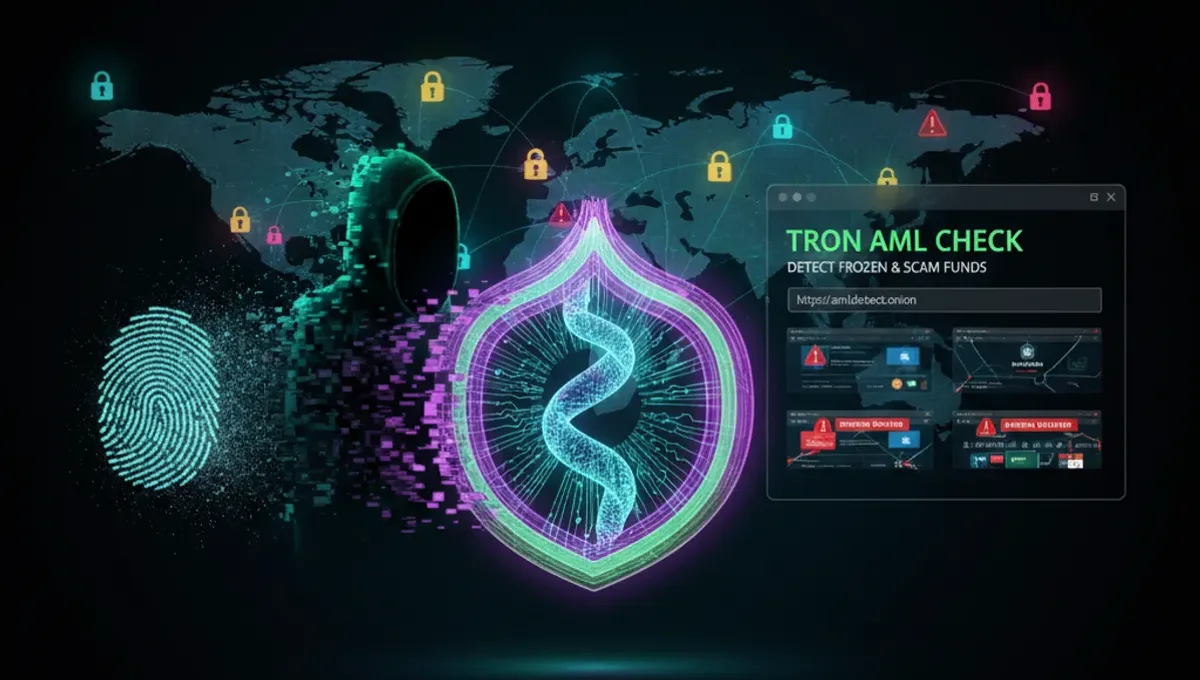
Tron AML refers to compliance screening applied to addresses and transactions on the Tron blockchain. Unlike Bitcoin or Ethereum, Tron's centralized governance means that addresses can be frozen or blacklisted by the Tron Foundation or major exchanges. When you receive USDT on Tron, the receiving address may already be flagged in AML databases. If an address is flagged, exchanges will refuse to credit or withdraw funds from it, effectively locking your tokens. AML checks scan against known lists of sanctioned addresses, stolen funds, and accounts involved in fraud. Performing an AML check before accepting a large transfer protects you from receiving tainted funds that cannot be spent or withdrawn.
How Tron AML Checks Work on the Blockchain
A Tron AML check compares a wallet address or transaction ID against multiple compliance databases and on-chain history. The process involves querying the Tron blockchain for transaction patterns, checking whether the address has interacted with known scam contracts, and cross-referencing against exchange blacklists and regulatory sanctions lists. Tools like Tronscan provide real-time AML risk assessment by analyzing transaction flow and flagging addresses that have received funds from known compromised or illegal sources. The check also identifies whether an address is a smart contract, a known exchange deposit address, or a personal wallet. Results typically show a risk score or status: clean, warning, or high-risk. A high-risk rating means the address is likely frozen on major exchanges or flagged by compliance teams.
How to Perform a Tron AML Check
To check whether a Tron address or transaction is safe, follow these steps:
- Copy the wallet address or transaction ID (TXID) you want to verify.
- Visit a Tron blockchain explorer or AML checker tool.
- Paste the address or TXID into the search field.
- Review the results for risk indicators: transaction history, associated contracts, and any compliance flags.
- Check whether the address appears on known scam or frozen account lists.
- Look for the AML risk score or status badge.
- If the address shows high risk or is flagged, avoid sending funds to it or do not accept transfers from it.
Most tools display the address balance, recent transactions, and any warnings in a single view. Pay attention to whether the address has interacted with known phishing contracts or received stolen funds.
Common Tron AML Risk Indicators
Several patterns indicate that a Tron address or transaction may be at risk. Addresses that have received funds from known scam contracts, phishing sites, or Ponzi schemes are flagged as high-risk. Addresses that have been frozen by the Tron Foundation or blacklisted by exchanges show a frozen status. Transactions with unusually large amounts moving rapidly between multiple addresses suggest money laundering or fund mixing. Addresses that have never been used before but suddenly receive large transfers may be newly compromised accounts. Addresses linked to sanctioned entities or individuals appear on regulatory watchlists. A transaction ID that shows failed or reverted smart contract calls may indicate an attempted scam or exploit. Tools that perform Tron AML checks will highlight these indicators so you can make an informed decision before accepting or sending funds.
Tron AML Check vs. Manual Address Validation
Manual address validation checks only whether a wallet address is formatted correctly and exists on the Tron blockchain. An AML check goes further by assessing whether the address is safe to transact with. A correctly formatted address can still be frozen, compromised, or linked to scam activity. Automated AML checks use compliance databases, transaction pattern analysis, and real-time blockchain data to detect risk. Manual checks cannot reveal whether an address has been blacklisted by exchanges or flagged by regulators. For high-value transfers, especially of USDT, an AML check is far more reliable than manual validation alone. Tools that combine address validation with AML risk assessment provide the most comprehensive protection.
What Happens When You Send to a Frozen Tron Address
If you send USDT or other TRC20 tokens to a frozen address, the transaction will complete on the blockchain. However, the recipient will not be able to withdraw or trade those funds on any major exchange. The tokens remain in the frozen address indefinitely, effectively lost. Some exchanges may allow the address owner to appeal a freeze, but recovery is rare and time-consuming. If you accidentally send funds to a frozen address, contact the exchange that froze it to request an exception, though success is unlikely. This is why checking an address for AML flags before sending large amounts is critical. Once a transaction is confirmed on the blockchain, it cannot be reversed.
Best Practices for Tron AML Checking
Always perform an AML check before accepting or sending large transfers of USDT or other TRC20 tokens. Use a reputable Tron tracker or AML checker tool that updates its compliance databases regularly. For transfers over a certain threshold, perform the check twice using different tools to confirm results. Save documentation of the AML check results for your records, especially for business transactions. Do not rely on a single indicator; look at the full transaction history and address behavior. Be cautious of addresses that show recent activity after long periods of inactivity, as they may have been compromised. If an address shows any warning flags, ask the sender for an alternative address or decline the transaction. Educate yourself on common Tron scams and phishing tactics so you can recognize suspicious addresses.
Frequently asked questions
Can I reverse a transaction sent to a frozen Tron address?
No. Once a transaction is confirmed on the Tron blockchain, it cannot be reversed. If you send USDT to a frozen address, the tokens remain locked and inaccessible. Your only option is to contact the exchange that froze the address and request an exception, though approval is rare. Always verify an address with an AML check before sending funds.
How often are Tron AML databases updated?
Reputable AML checking tools update their compliance databases multiple times per day as new sanctions, blacklists, and scam reports are added. However, there may be a lag of hours or days before a newly frozen address appears in all databases. For the most current information, use tools that integrate directly with exchange blacklists and regulatory sources.
What does a high-risk AML score mean for a Tron address?
A high-risk AML score indicates that the address has been flagged by compliance systems, is likely frozen on major exchanges, or has received funds from known scam sources. You should not send funds to a high-risk address and should decline transfers from it. High-risk addresses are typically blacklisted and cannot be used for legitimate trading or withdrawal.
Can an address be unfrozen after being flagged by Tron AML?
In rare cases, an address owner can appeal a freeze through the exchange or regulatory body that imposed it. However, unfreezing requires proof that the address was compromised or flagged in error. Most frozen addresses remain locked indefinitely. Prevention through AML checks is far more effective than attempting to recover frozen funds.
Is a Tron AML check the same as a TXID lookup?
No. A TXID lookup shows the details of a specific transaction, including sender, receiver, and amount. A Tron AML check assesses whether an address is safe to transact with by checking compliance flags and risk indicators. Both tools are useful, but they serve different purposes. Use a TXID lookup to verify transaction details and an AML check to assess address safety.