What is a TRC20 Wallet Tracker and Why You Need One
A TRC20 wallet tracker is a tool that monitors transactions and balances for addresses that hold TRC20 tokens, primarily USDT on the Tron network. Unlike centralized exchanges, which restrict access to your own account data, a TRC20 tracker gives you visibility into any public wallet address on the blockchain. This matters because Tron transactions are immutable once confirmed. If you send USDT to a frozen wallet or a scam address, recovery is impossible. A TRC20 wallet address check before transfer prevents costly mistakes. Traders, businesses, and individuals use trackers to verify counterparty addresses, spot suspicious activity, and confirm that funds haven't been flagged by compliance systems.
How to Check a TRC20 Wallet Address
Checking a TRC20 wallet address involves querying the Tron blockchain for transaction history, current balance, and risk flags. Here's the process:
- Enter the wallet address into a TRC20 wallet check tool
- Review the balance and token holdings displayed
- Examine the transaction history to see inbound and outbound transfers
- Check for AML risk indicators such as frozen status or known scam associations
- Verify the address format matches Tron standards (begins with T, 34 characters)
- Cross-reference with known blacklists if available
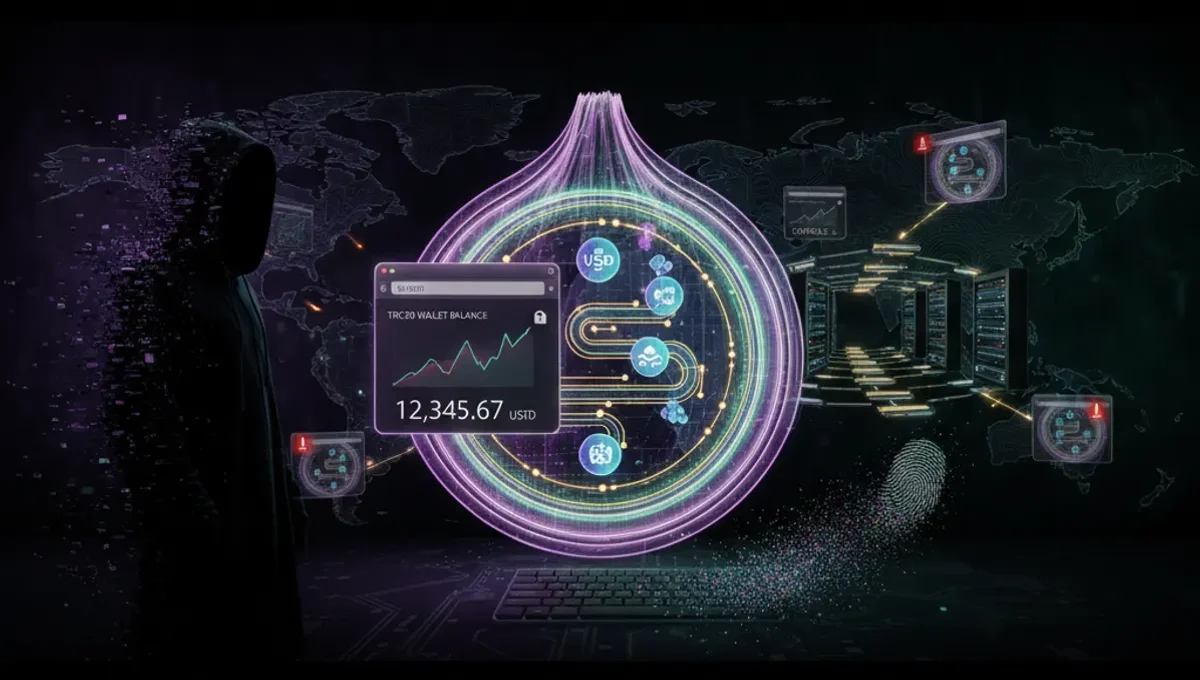
A TRC20 wallet balance check shows you the exact amount of USDT and other tokens held at that address. The transaction log reveals patterns: frequent transfers suggest an active trading wallet, while dormant addresses may indicate cold storage. Risk flags alert you to addresses that have been flagged by compliance networks or linked to known fraud schemes.
Understanding TRC20 Address Validation and Format
TRC20 addresses on the Tron network follow a specific format that distinguishes them from other blockchain addresses. Every valid Tron address begins with the letter T and contains exactly 34 alphanumeric characters. This format is derived from the wallet's public key and is deterministic, meaning the same private key always generates the same address. When you perform a TRC20 wallet address check, the first step is format validation. An address that doesn't start with T or has incorrect length is invalid and will reject any transfer. Scammers sometimes create lookalike addresses that differ by one or two characters, relying on human error. Always copy-paste addresses rather than typing them manually. A TRC20 address tracker will reject malformed addresses immediately, preventing accidental loss of funds to typos or phishing attempts.
Detecting Frozen Wallets and AML Risk Flags
Frozen wallets are addresses that have been flagged by compliance systems and cannot send or receive USDT. These flags are set by Tron validators and staking nodes in response to regulatory requests or fraud reports. A TRC20 tracker displays frozen status so you know not to send funds to that address. Common reasons for freezing include sanctions violations, involvement in theft or scams, and regulatory holds. When you use a TRC20 wallet check tool, look for explicit warnings about frozen status. Some addresses may show as "at risk" rather than fully frozen, indicating they have been flagged by multiple sources but not yet locked by the network. Sending USDT to a frozen address results in the transfer being rejected by validators. Sending to an at-risk address succeeds on-chain but may trigger compliance reviews if you're using a centralized exchange. Always verify address status before large transfers.
Reading Transaction History and Wallet Activity Patterns
A TRC20 wallet tracker displays the full transaction history for any address, showing every inbound and outbound transfer. Each transaction record includes the sender, recipient, amount, timestamp, and transaction hash (TXID). Analyzing this history reveals wallet behavior and risk. Active trading wallets show frequent transfers with varied amounts and counterparties. Scam wallets often display a pattern of receiving many small deposits followed by rapid consolidation into a single address. Dormant wallets may have no activity for months or years, suggesting cold storage or abandoned accounts. The transaction history also shows if a wallet has ever interacted with known exchange addresses or mixing services. A TRC20 wallet balance check combined with activity analysis helps you assess whether a counterparty is legitimate. For example, a business wallet should show consistent activity with known vendors or customers, while a personal wallet may show irregular transfers.
Using a TRC20 Tracker for Pre-Transfer Verification
Before sending USDT or other TRC20 tokens, use a TRC20 wallet address tracker to verify the recipient. This step takes seconds and prevents irreversible loss. The verification process involves:
- Obtain the recipient's address from a trusted source (direct message, official website, or verified communication)
- Enter the address into the TRC20 tracker
- Confirm the address format is valid and begins with T
- Check that the address is not frozen or flagged as high-risk
- Review recent transaction history to confirm the address is active
- If the address is new or dormant, contact the recipient to confirm ownership
- Send a small test transfer first if the amount is large
This workflow is especially important for business transactions or transfers over a certain threshold. A TRC20 wallet check takes less than a minute and eliminates the most common causes of fund loss: typos, phishing, and sending to frozen addresses. Many users skip this step and regret it when funds disappear.
Comparing TRC20 Trackers and Choosing the Right Tool
Multiple TRC20 wallet trackers exist, each with different features and data sources. Some trackers focus on real-time balance and transaction data, while others emphasize AML risk detection and compliance flagging. When selecting a TRC20 tracker, consider data accuracy, update frequency, and the comprehensiveness of risk indicators. Official Tron blockchain explorers provide authoritative transaction data but may lack AML risk assessment. Specialized TRC20 wallet check tools integrate data from multiple compliance networks to flag frozen addresses and known scam wallets. The best choice depends on your use case: casual users benefit from simple balance checks, while businesses and traders need detailed AML risk analysis. Tronscan Check combines real-time blockchain data with AML risk detection, allowing you to verify addresses and check USDT transaction safety in one interface. Always cross-reference critical information across multiple sources if the transfer amount is large.
Frequently asked questions
Can I track a TRC20 wallet without the owner's permission?
Yes. All TRC20 wallet addresses and transactions are public on the Tron blockchain. Anyone can view balances, transaction history, and activity for any address using a TRC20 tracker. This transparency is a feature of public blockchains, not a privacy breach. However, you cannot access private keys or move funds from an address you don't own.
What does it mean if a TRC20 wallet is frozen?
A frozen TRC20 wallet has been flagged by Tron validators and cannot send or receive USDT. Freezing occurs in response to regulatory requests, fraud reports, or sanctions violations. Sending USDT to a frozen address will be rejected by the network. A TRC20 wallet check tool will display frozen status clearly.
How often does a TRC20 wallet tracker update balance information?
Most TRC20 trackers update balance and transaction data within seconds to minutes of a blockchain confirmation. Tron blocks are produced every 3 seconds, so new transactions appear almost immediately. Real-time updates depend on the tracker's data source and infrastructure. Tronscan Check updates data as soon as transactions are confirmed on-chain.
Can a TRC20 wallet address be spoofed or faked?
A valid TRC20 address cannot be faked because it is cryptographically derived from a private key. However, scammers create lookalike addresses that differ by one or two characters and rely on copy-paste errors. Always verify addresses character-by-character or use a TRC20 wallet address check tool to confirm format validity before sending funds.
What is the difference between a TRC20 wallet check and a TXID lookup?
A TRC20 wallet check examines a specific address and its balance and transaction history. A TXID lookup examines a single transaction by its hash to verify sender, recipient, amount, and confirmation status. Both are useful: wallet checks assess counterparty risk, while TXID lookups verify that a specific transfer completed successfully.