What Is a TRC20 Wallet Address and Why Check It
A TRC20 wallet address is a unique identifier on the Tron blockchain that holds TRC20-standard tokens, most commonly USDT. These addresses are 34 characters long and begin with the letter T. Checking a TRC20 address before a transaction is critical because it confirms the address exists, is active, and has no known association with frozen accounts or scam operations. A TRC20 wallet address check also reveals the current balance, transaction history, and any red flags that indicate the address may be compromised or blacklisted. This verification step prevents irreversible losses and protects against sending funds to the wrong recipient or a phishing clone address.
How to Perform a TRC20 Wallet Address Check
To check a TRC20 wallet address, follow these steps:
- Enter the wallet address (starting with T) into the Tronscan Check search field.
- Review the address validation result—confirmed addresses display as valid.
- Inspect the balance displayed in TRX and any TRC20 token holdings.
- Check the transaction history to see recent activity and patterns.
- Review the AML risk assessment to identify any frozen or flagged status.
- Cross-reference the address with known scam databases if the balance or activity seems suspicious.
The entire process takes seconds and provides a comprehensive snapshot of the wallet's status and legitimacy.
Understanding TRC20 Wallet Balance and Transaction History
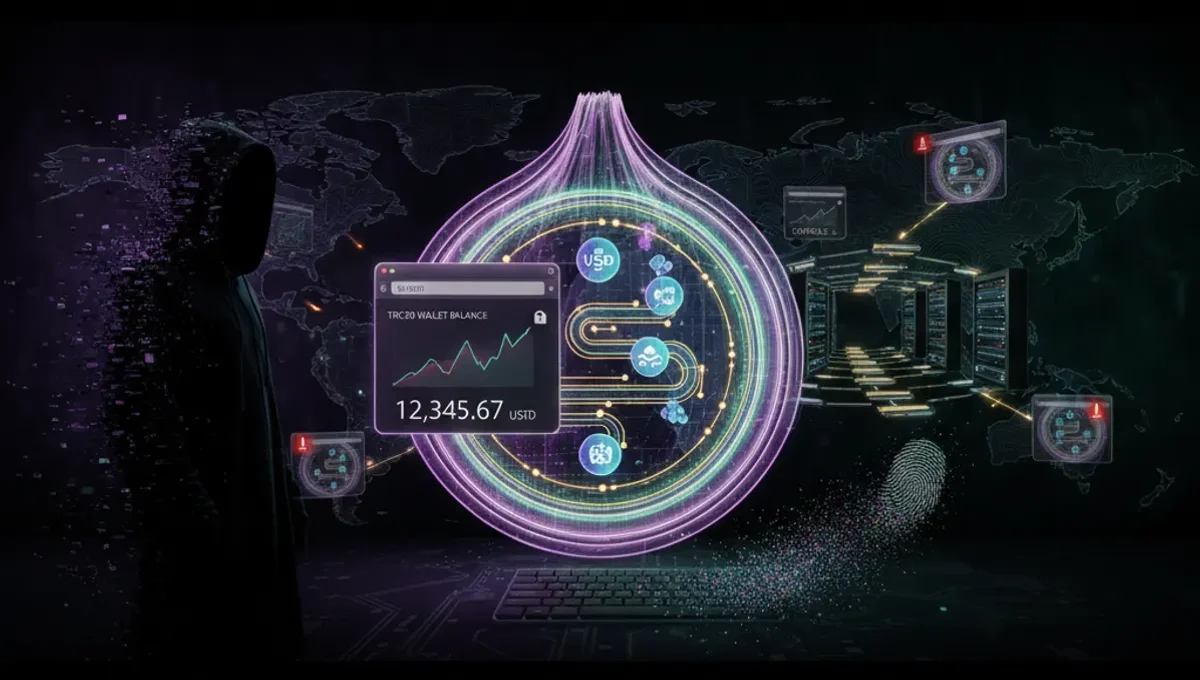
When you perform a TRC20 wallet balance check, the tool displays the current holdings in TRX (Tron's native token) and any TRC20 tokens stored in that wallet. The transaction history shows every incoming and outgoing transfer, including timestamps, amounts, and counterparty addresses. This history is immutable and recorded on the Tron blockchain, so it cannot be altered or hidden. A healthy wallet typically shows regular activity with consistent patterns. Sudden large transfers, frequent rapid movements, or long periods of inactivity may indicate the wallet is inactive, dormant, or part of a suspicious operation. The transaction tracker feature allows you to drill down into individual transfers and verify their legitimacy by checking both sender and recipient addresses.
AML Risk Detection and Frozen Account Identification
AML (Anti-Money Laundering) risk detection scans a TRC20 address against known blacklists, sanctions lists, and fraud databases. When you check a TRC20 address, the system flags any address that has been associated with scams, theft, or regulatory violations. Frozen accounts are wallets that have been locked by exchanges, law enforcement, or blockchain security protocols and cannot send or receive funds. Identifying a frozen account before sending money prevents your transaction from being rejected or your funds from becoming trapped. The AML check also reveals whether an address has been reported by other users or security firms as a phishing clone or scam vector. This layer of protection is especially important for high-value USDT transactions, where the cost of error is substantial.
How to Verify a TRC20 Address Is Not a Phishing Clone
Phishing clones are fake wallet addresses that resemble legitimate ones but differ by one or two characters. Scammers use these to trick users into sending funds to the wrong address. To verify a TRC20 address is genuine:
- Compare the full 34-character address character-by-character against the source you received it from.
- Use a TRC20 wallet address tracker to confirm the address has a legitimate transaction history and known associations.
- Check whether the address is listed on official project or exchange documentation.
- Verify the address has been active for an extended period and shows consistent, normal activity patterns.
- Cross-check the address against multiple independent sources before sending any funds.
If an address appears new, has no transaction history, or shows sudden large inflows followed by immediate outflows, it may be a temporary phishing address created to capture funds.
TXID and Hash Lookup for Transaction Verification
A TXID (transaction ID) or hash is a unique identifier for every transaction on the Tron blockchain. When you perform a TXID check, you can verify whether a specific transfer actually occurred, confirm the amount sent, identify the sender and recipient, and check the transaction status. A completed transaction shows a confirmation status and is permanently recorded on the blockchain. If you are waiting for a transfer or need to verify a payment was received, looking up the TXID provides definitive proof. The hash lookup also reveals the gas fee paid, the block number where the transaction was recorded, and the exact timestamp. This information is useful for reconciliation, dispute resolution, and confirming that a payment was not lost or intercepted.
Common Mistakes When Checking TRC20 Addresses
Users often make preventable errors when verifying TRC20 addresses. The most common mistake is copying and pasting an address without double-checking it character-by-character, which leaves room for phishing clones to succeed. Another frequent error is trusting an address based on a single check without verifying it against multiple independent sources. Some users assume that because an address has a large balance, it must be legitimate—but high balances can indicate a scam operation or stolen funds. Failing to check the AML risk status before sending money is another critical oversight that can result in funds being frozen or rejected. Finally, some users confuse similar-looking addresses (such as addresses that differ only in capitalization or by a single character) and send funds to the wrong wallet. Always use a dedicated TRC20 wallet address check tool to eliminate ambiguity and confirm the address before any transaction.
Frequently asked questions
How do I know if a TRC20 address is safe before sending USDT
Use a TRC20 wallet address check tool to verify the address is valid, inspect its transaction history, and review its AML risk status. Check whether the address appears on any scam or blacklist databases. Compare the full address character-by-character against your source to rule out phishing clones. If the address is new, has no history, or shows suspicious patterns, do not send funds until you can verify it through an independent channel.
What does a frozen TRC20 address mean
A frozen TRC20 address is a wallet that has been locked and cannot send or receive funds. Freezing occurs when an exchange, law enforcement agency, or blockchain security protocol identifies the address as being associated with fraud, theft, or sanctions violations. If you send funds to a frozen address, the transaction may be rejected or the funds may become trapped. Always check the AML status of an address before sending money to confirm it is not frozen.
Can I recover funds sent to the wrong TRC20 address
No. Transactions on the Tron blockchain are immutable and irreversible. Once you send USDT or other TRC20 tokens to an address, the transfer cannot be undone or recalled. If you send funds to the wrong address or a phishing clone, you have no recourse unless the recipient voluntarily returns the funds. This is why verifying the TRC20 address before sending is absolutely critical. Always perform a complete address check and confirm the destination multiple times before initiating any transfer.
What information does a TXID lookup reveal
A TXID (transaction ID) lookup shows the sender and recipient addresses, the amount transferred, the transaction status (confirmed or pending), the block number, the timestamp, and the gas fee paid. This information proves that a specific transaction occurred on the blockchain and provides a permanent record. TXID lookups are useful for verifying that a payment was received, resolving disputes, and confirming the exact details of a transfer.
How can I tell if a TRC20 address is a phishing clone
Phishing clones differ from legitimate addresses by only one or two characters. To detect them, compare the full 34-character address character-by-character against the official source. Use a TRC20 wallet tracker to verify the address has a legitimate, established transaction history. Check whether the address is documented on official project or exchange websites. If an address is brand new, has no history, or shows sudden suspicious activity, it is likely a phishing clone. Never send funds to an address you cannot verify through multiple independent sources.