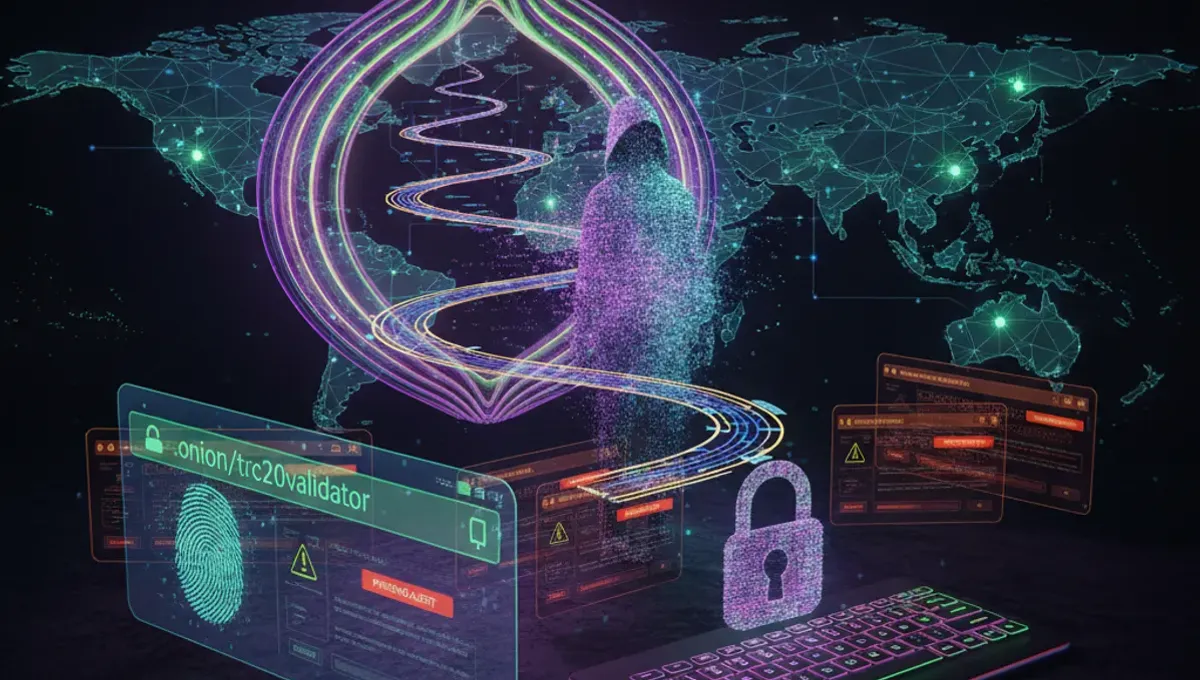
What Is a TRC20 Address Checker and Why You Need One
A TRC20 address checker examines wallet addresses and transaction IDs on the Tron blockchain to confirm their validity and history. TRC20 is the token standard for assets issued on Tron, similar to ERC20 on Ethereum. Before transferring USDT or other tokens, checking the address reduces the risk of sending funds to a scam wallet, a frozen account, or a blacklisted address flagged by compliance systems. The checker cross-references addresses against known fraud patterns, AML (anti-money laundering) databases, and on-chain activity to provide a risk assessment. This is especially important in high-value transactions where a single mistake can result in irreversible loss.
How to Use a TRC20 Address Checker
Using a TRC20 checker involves a straightforward process:
- Copy the wallet address or transaction hash you want to verify.
- Paste it into the checker's search field.
- Select whether you are checking an address or a transaction ID (TXID).
- Review the results, including balance, transaction history, and any risk flags.
- Check for AML alerts, frozen status, or known scam associations.
- Confirm the address matches the recipient's official communication before sending funds.
Most TRC20 checkers display the address creation date, total transactions, current balance, and any associated labels or warnings. If the address shows high-risk flags or is linked to known scams, do not proceed with the transfer.
Understanding TRC20 Hash and Transaction Verification
A TRC20 hash, or transaction ID (TXID), is a unique identifier for every transaction on the Tron blockchain. When you send USDT or another TRC20 token, the network generates a hash that proves the transaction occurred. Checking a TRC20 hash allows you to confirm that a payment was received, verify the amount transferred, and see the sender and recipient addresses. A valid hash confirms the transaction is immutable and recorded on the blockchain. You can use a TRC20 checker to look up a hash and see its status (pending, confirmed, or failed), the gas fees paid, and the exact timestamp. This is useful for resolving payment disputes or confirming that a transfer actually completed.
Detecting TRC20 Scams and Fraud Patterns
TRC20 scams often involve fake wallet addresses, phishing links, or fraudulent tokens that mimic legitimate projects. A TRC20 checker identifies common red flags such as newly created addresses with no transaction history, addresses that have received multiple reports of fraud, or wallets flagged by compliance systems. Scammers may create addresses that look similar to legitimate ones, using character substitution to trick users. Checking the address on a TRC20 checker reveals the actual creation date and transaction history, exposing these impersonation attempts. Additionally, some scams involve fake tokens with names identical to real projects; a checker confirms the contract address and token details to prevent you from sending funds to the wrong token. Always verify the official address from the project's website or verified social media channels before using a checker.
AML Screening and Frozen Fund Detection
AML (anti-money laundering) screening is a compliance process that flags addresses associated with illegal activity, sanctions, or financial crime. A TRC20 checker integrates AML data to alert you if an address is frozen, blacklisted, or under investigation by regulatory authorities. Sending funds to a frozen address may result in the transaction being rejected or the funds being seized. Some exchanges and platforms automatically block transfers to flagged addresses, preventing you from completing the transaction. A TRC20 checker shows whether an address has been flagged by major compliance providers, helping you avoid legal complications and fund loss. This is particularly important for users in regulated jurisdictions or those conducting business with institutional partners who require AML compliance.
TRC20 Tracker: Monitoring Wallet Activity and Balance
A TRC20 tracker monitors wallet addresses to display current balances, transaction history, and token holdings. Unlike a one-time check, a tracker allows you to observe an address over time, seeing incoming and outgoing transfers, token swaps, and interactions with smart contracts. This is useful for tracking your own wallet, monitoring a business address, or investigating suspicious activity. A tracker shows the total value of tokens held, the frequency of transactions, and any unusual patterns that might indicate compromise or fraud. Some trackers provide alerts when a watched address receives or sends large amounts, helping you detect unauthorized access quickly. By reviewing historical activity, you can identify when an address became active, how it has been used, and whether it matches the expected behavior of a legitimate wallet.
Best Practices for Safe TRC20 Address Verification
Always verify a TRC20 address through multiple sources before sending funds. First, check the official website or verified social media account of the recipient to confirm the address. Then use a TRC20 checker to validate the address and review its history. Never click links in emails or messages that direct you to an address checker; instead, navigate directly to the checker's URL. Copy and paste addresses rather than typing them manually to avoid typos. For large transfers, send a small test amount first and confirm it arrives before sending the full amount. Be aware that address checkers themselves can be spoofed; use only well-known, reputable tools. If an address shows any risk flags or unusual activity, contact the recipient through an independent channel to confirm its legitimacy before proceeding.
Frequently asked questions
Is a TRC20 checker free to use?
Most TRC20 checkers offer free basic lookups for addresses and transaction hashes. Some may charge for advanced features like bulk verification, historical data exports, or real-time alerts. Check the tool's pricing page to see what features are included in the free tier.
Can a TRC20 checker recover lost or stolen funds?
A TRC20 checker can identify where funds were sent and track their movement on the blockchain, but it cannot recover them directly. If you suspect theft, report the address to law enforcement and the relevant exchange or platform. Some platforms may freeze flagged addresses if they are linked to crime.
What does it mean if a TRC20 address is flagged as high-risk?
A high-risk flag indicates the address is associated with fraud, scams, sanctions, or illegal activity. Sending funds to a flagged address may result in transaction rejection, fund seizure, or legal complications. Avoid sending funds to addresses with high-risk flags unless you have independently verified their legitimacy.
How long does it take to check a TRC20 address?
Most TRC20 checkers return results instantly or within a few seconds. The lookup time depends on the checker's server performance and the amount of data being retrieved. If a check takes longer than expected, try again or use an alternative checker.
Can I check a TRC20 address anonymously?
Yes, most TRC20 checkers do not require registration or login to perform basic address lookups. However, your IP address may be logged by the checker's server. If anonymity is important, consider using a VPN or privacy-focused network, though this is not necessary for routine address verification.